


A Direct Support Professional (DSP) Certificate, also known as a direct care worker course, prepares individuals to support people with intellectual and developmental disabilities, older adults, or individuals who need assistance with daily living. The course typically covers person-centered care, communication skills, safety, infection control, basic health support, documentation, residents’ rights, confidentiality, abuse and neglect prevention, and emergency response. Students learn how to assist with daily activities such as personal hygiene, meals, mobility, medication reminders, community participation, and emotional support while promoting independence, dignity, and respect.
This certificate is useful for people seeking entry-level employment in group homes, residential care programs, adult day programs, supported living services, home care, and other human services settings. The training helps workers understand professional boundaries, ethical responsibilities, cultural sensitivity, behavior support, and how to work as part of a care team. Completing a DSP certificate can strengthen a candidate’s qualifications, improve job readiness, and provide a foundation for future roles in healthcare, social services, caregiving, or developmental disability support.
- Teacher: Dmo Accoun
- Teacher: test account
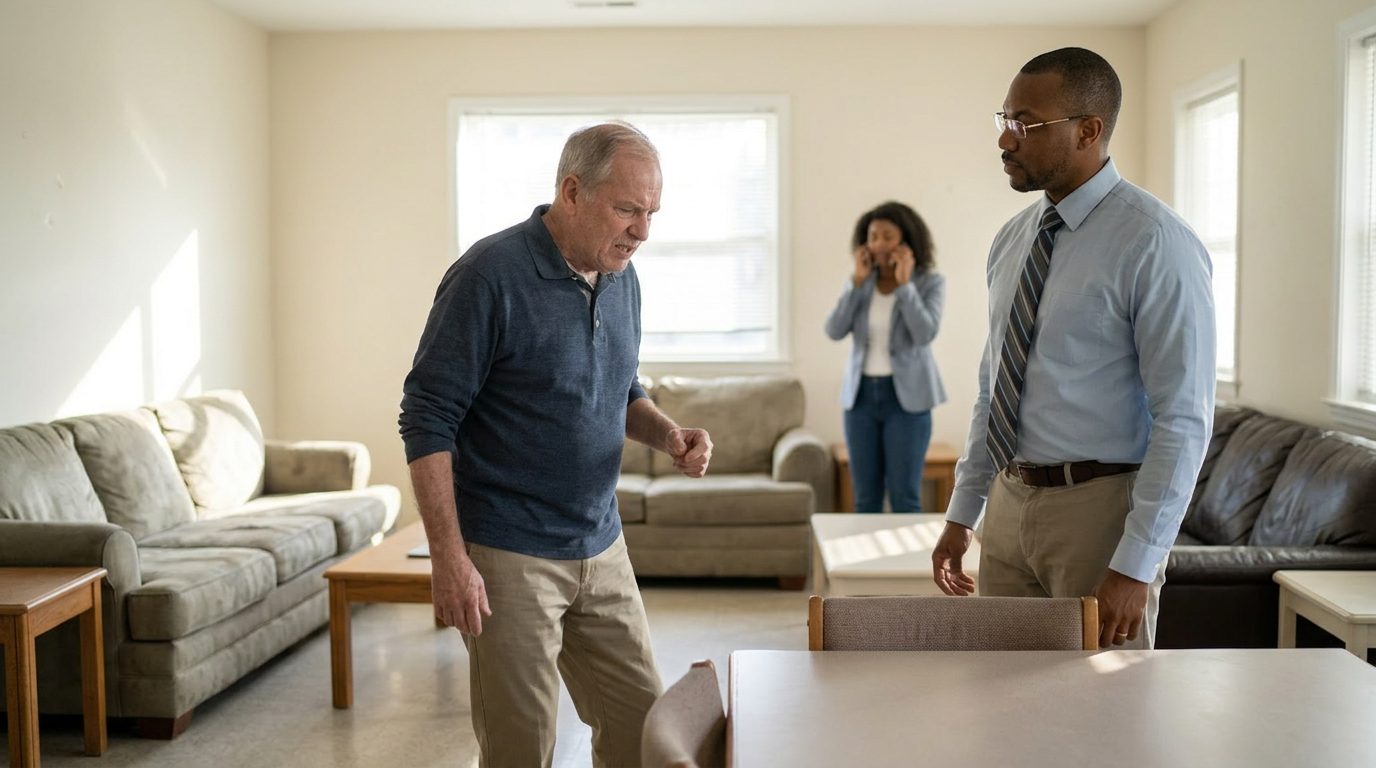
Residential Program Manager Course Summary
The Residential Program Manager Certificate Program (RPM-CP) is a 48-hour RPMI leadership certificate course designed to prepare current and emerging residential managers to supervise staff, oversee program operations, protect individual rights, maintain compliance, respond to incidents, and sustain safe, person-centered residential services. The credential awarded is RPMI Certified Residential Program Manager (RCRPM).
The course is built for program managers, assistant managers, house managers, and emerging residential leaders who are responsible for residential service quality, safety, staffing, documentation, regulatory readiness, and day-to-day operational accountability. It is intended for manager onboarding, leadership development, quality strengthening, and compliance readiness.
- Teacher: SSO test

The Residential Program Director Certificate Program is a senior-level residential leadership course designed to prepare current and emerging directors to oversee complex residential service operations. It focuses on person-centered, regulation-informed, ethical, and operationally sound leadership, especially for leaders responsible for multiple programs, supervisors, compliance performance, workforce systems, incident oversight, quality improvement, and strategic residential operations. The program awards the RPMI Certified Residential Program Director credential, recommends 56 contact hours, and uses a blended LMS-based format with optional facilitated leadership sessions.
The course covers eight major areas: foundations of the director role, person-centered systems and rights governance, residential operations and regulatory oversight, workforce leadership, health and safety risk management, documentation and quality assurance, financial stewardship, and ethics/executive communication. Overall, it is built to help directors bridge executive leadership and direct service operations by improving systems thinking, audit readiness, corrective action planning, staffing stability, incident response, family and stakeholder communication, and continuous quality improvement
- Teacher: SSO test

The Certified Residential Human Services Program Management, Monitoring and Evaluation Officer course prepares learners to manage residential care and human services programs in a professional, accountable, and client-centered way. It typically covers how to oversee daily residential operations, coordinate staff, support service users, maintain compliance with policies and regulations, manage documentation, and promote safe, ethical, and high-quality care environments.
The monitoring and evaluation portion focuses on measuring program performance, tracking outcomes, identifying service gaps, preparing reports, and using data to improve residential services. Graduates of the course are expected to understand both the management side of residential human services and the evaluation skills needed to ensure programs are effective, compliant, and responsive to the needs of residents, families, staff, and funding or regulatory bodies.
- Teacher: SSO test
The Certified Residential Human Services Program Management Executive Leadership course is an advanced leadership program for senior and executive-level professionals responsible for residential human services operations. It focuses on strategic leadership, organizational development, policy systems, high-level decision-making, and the governance of person-centered, compliant, and quality-driven residential programs. RPMI’s credential model places executive leadership within a broader professional ladder that advances staff from foundational workforce roles into supervisory, senior, quality, and advanced leadership pathways.
The course prepares leaders to oversee multi-program systems, strengthen compliance readiness, guide workforce and supervision structures, manage risk and incidents, use data for quality improvement, and communicate effectively with executives, families, regulators, and cross-functional teams. It emphasizes ethical judgment, institutional accountability, documentation governance, financial and operational stewardship, and mission-centered decision-making, using policy-based, practical, and scenario-driven learning with assessments such as leadership cases, applied exercises, module quizzes, and final evaluation.
- Teacher: SSO test
